Transform Your Hair with Every Drop
Original price was: ₨650.00.₨500.00Current price is: ₨500.00.
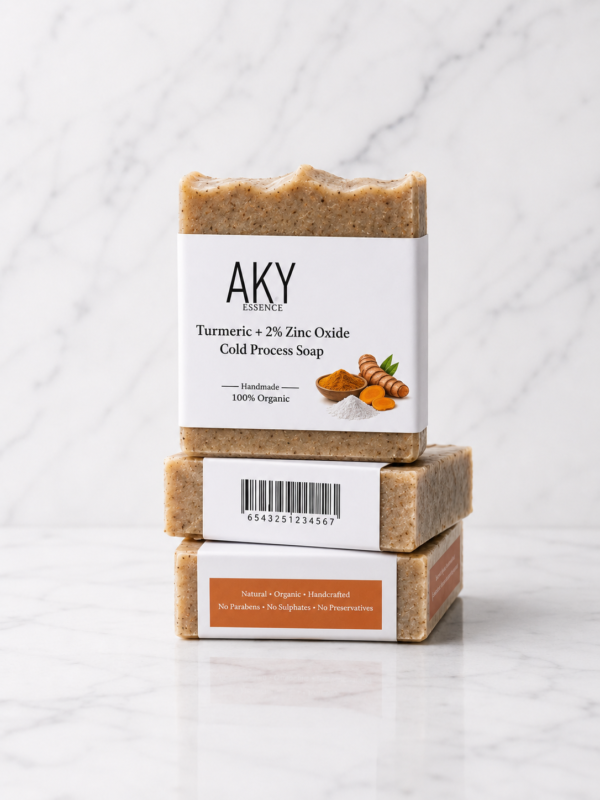
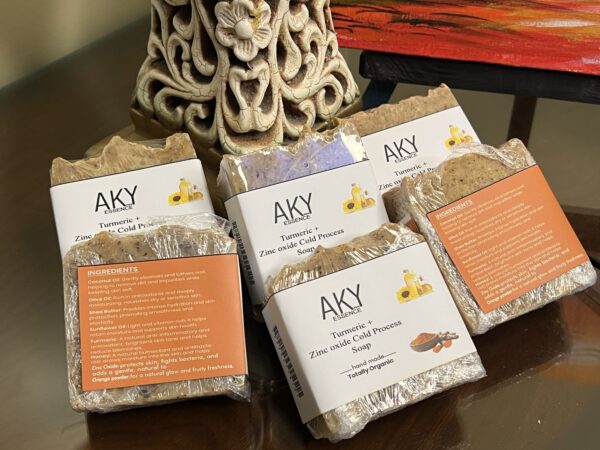
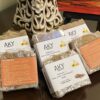
Acne Aid Soap is a cleansing product designed for people dealing with acne, excess oil, clogged pores, and recurring pimples. It is generally used as part of an everyday skincare routine to remove oil, dirt, and dead skin cells from the surface of the skin.
Acne can develop when a hair follicle becomes blocked by excess sebum, dead skin cells, and other impurities. This can contribute to different forms of acne vulgaris, including whiteheads, blackheads, and inflammatory acne.
Acne Aid Soap may support basic cleansing, but it should not automatically be considered a complete acne treatment. The right approach depends on the person’s acne severity, skin type, and whether the condition includes persistent or severe acne lesions.
Acne Aid Soap is a cleansing product designed for people dealing with acne, excess oil, clogged pores, and recurring pimples. It is generally used as part of an everyday skincare routine to remove oil, dirt, and dead skin cells from the surface of the skin.
Acne can develop when a hair follicle becomes blocked by excess sebum, dead skin cells, and other impurities. This can contribute to different forms of acne vulgaris, including whiteheads, blackheads, and inflammatory acne.
Acne Aid Soap may support basic cleansing, but it should not automatically be considered a complete acne treatment. The right approach depends on the person’s acne severity, skin type, and whether the condition includes persistent or severe acne lesions.
The ingredients can vary depending on the specific Acne Aid Soap formulation. Acne cleansers commonly use ingredients such as salicylic acid, which helps remove dead skin cells and unclog pores.
Other ingredients used in acne-focused products can include benzoyl peroxide, which has antibacterial properties, or ingredients with anti-inflammatory properties. However, not every acne soap contains these ingredients, so checking the product label is important.
Ingredients should be considered alongside potential skin irritation and other side effects, particularly when the product is being introduced into a new skincare routine.
Acne Aid Soap is primarily intended for people with oily or acne-prone skin who want a cleansing product for everyday use. It may be considered for mild comedonal acne, occasional pimples, and excess oil.
People with moderate acne, cystic acne, or nodulocystic acne may require more targeted acne treatments. Persistent or severe symptoms should be discussed with a healthcare provider rather than managed with soap alone.
Acne begins deeper within the pilosebaceous unit, which includes the hair follicle and sebaceous gland cells responsible for oil production. Excess oil, dead skin cells, bacteria, and inflammation can contribute to blocked follicles and acne lesions.
A cleanser can help manage surface oil and impurities, but it cannot address every factor involved in acne development, including androgen hormones, inflammation, and certain medication-related factors.
One of the main purposes of an acne cleanser is to remove excess sebum from the skin. Regular cleansing can help reduce the buildup of oil, dirt, and dead skin cells around hair follicles.
This can be particularly useful for people with oily skin and recurring whiteheads or pimples. However, aggressive cleansing can have the opposite effect by causing dryness and irritation.
The goal is therefore balanced cleansing rather than attempting to remove every trace of natural oil from the skin.
Healthy skin has a protective barrier that helps maintain hydration and defend against environmental irritants. A cleanser that is too harsh may disturb this barrier and contribute to dryness, redness, or skin inflammation.
For acne-prone skin, maintaining a comfortable balance is important. Excessive washing or scrubbing does not necessarily provide a more effective treatment and can increase irritation.
Acne Aid Soap can provide several cleansing benefits when used appropriately. Its main role is to keep the skin clean and reduce factors that can contribute to blocked pores.
Excess sebum production is one factor associated with acne. Oil can combine with dead skin cells inside the follicle, contributing to clogged pores.
A suitable cleanser can remove surface oil without requiring harsh scrubbing. This may leave oily skin feeling cleaner and less greasy.
However, sebum is also part of the skin’s natural protective system. Completely stripping the skin is not necessary for effective acne control.
Clogged follicles can lead to comedones such as whiteheads and blackheads. Removing surface impurities and dead skin cells can support cleaner-looking pores.
For people experiencing mild comedonal acne, cleansing can be a useful part of a broader skincare routine. If acne continues to become worse, a dedicated acne medication may be more appropriate.
Acne can occur on the face as well as the chest, shoulders, back, and other areas containing hair follicles and oil glands.
An acne cleanser may therefore be useful for both facial and body acne, depending on the formulation and the person’s skin sensitivity.
Body acne can sometimes be influenced by sweat, friction, oil, and product buildup. Gentle cleansing after exercise or heavy sweating may help keep affected areas clean.
Correct use is important because over-cleansing can increase dryness and irritation. The product should be introduced according to the instructions on its packaging.
Scrubbing acne lesions aggressively can increase irritation and may make existing inflammation more uncomfortable.
The appropriate frequency depends on the product formulation and individual skin tolerance. People with oily skin may tolerate regular use, while those with sensitive or dry skin may need less frequent application.
If redness, burning, excessive dryness, or peeling develops, use should be reduced or stopped until the skin settles. Persistent adverse effects should be discussed with a healthcare provider.
Although acne cleansers can be useful, they are not free from possible adverse effects. The risk depends on the ingredients, frequency of use, and individual skin sensitivity.
Common problems with acne-focused cleansing products can include dryness, tightness, redness, peeling, and skin irritation.
Ingredients such as salicylic acid or benzoyl peroxide, when present, can sometimes cause irritation, especially when used too frequently or alongside several other acne treatments.
A gentle moisturizer can help support the skin barrier. People should also avoid combining too many potentially irritating products without professional guidance.
People with a known sensitivity to one of the ingredients should avoid the product. Extra caution may be appropriate for individuals with very sensitive, damaged, or severely irritated skin.
People who are pregnant or planning pregnancy should discuss acne medications and active ingredients with a healthcare provider before starting a treatment regimen. Certain prescription acne medications, including isotretinoin and some topical or oral treatments, have important pregnancy-related precautions.
Severe acne, painful nodules, extensive inflammation, or significant scarring also warrants professional evaluation.
Acne Aid Soap is primarily a cleansing option, while other acne cleansers may contain specific active ingredients designed to target different acne mechanisms.
For example, salicylic acid can help exfoliate the skin and unclog pores, while benzoyl peroxide can help reduce acne-associated bacteria. Prescription options may include topical retinoids, topical antibiotics, or other medications depending on acne severity.
For inflammatory acne, a healthcare provider may recommend a combination approach. Some patients may require oral antibiotics, while others may be considered for retinoids, hormonal therapy, or other acne treatments.
Topical antibiotics are generally used carefully because unnecessary antibiotic exposure can contribute to antibiotic resistance. Acne management should therefore be based on the person’s condition rather than simply choosing the strongest available product.
The Acne Aid Soap price can vary depending on the seller, pack size, formulation, and location. Online stores, pharmacies, and skincare retailers may list different prices.
Before purchasing, consumers should check the ingredient list, product authenticity, expiry date, packaging, and seller reputation.
Price alone does not determine whether a product will be an effective treatment. The most appropriate cleanser is generally one that suits the person’s skin type and acne needs without causing excessive irritation.
User experiences with Acne Aid Soap can differ considerably. Some people may notice cleaner-feeling skin and reduced surface oil, while others may experience dryness or irritation.
Acne itself is a complex skin condition, and results can depend on the type and severity of acne, hormones, skin type, existing skincare products, and consistency.
Someone with occasional pimples may respond differently from a person with severe inflammatory acne or acne scars. Therefore, individual reviews should be viewed as personal experiences rather than proof that the product will work identically for everyone.
For persistent acne, a professional acne treatment plan may provide a more targeted approach.
It can be suitable for regular cleansing when the formulation agrees with the person’s skin. However, daily use is not automatically appropriate for everyone. Dryness, burning, peeling, or redness can indicate that the skin is not tolerating the product well.
People with sensitive skin should introduce an acne cleanser carefully. A patch test and gradual use may help identify irritation. If significant redness or discomfort develops, the product should be discontinued.
Acne does not usually disappear immediately after changing a cleanser. Mild improvements may take time, and results vary according to the underlying cause and acne severity.
A cleanser may support skin hygiene, but persistent acne may require additional acne treatments, such as topical retinoids, salicylic acid, benzoyl peroxide, or professionally recommended medication.
A cleanser may help manage active acne but is generally not a complete solution for established acne scars. Different forms of scarring, including ice-pick scars, require different approaches.
Dark marks left after inflammation are often referred to as post-inflammatory hyperpigmentation, which is different from true depressed or raised scars. A dermatologist or healthcare provider can recommend an appropriate treatment based on the type of mark or scar.
Acne Aid Soap can be considered as a basic cleansing product for people who want to manage oil, impurities, and clogged pores as part of their skincare routine. Its usefulness ultimately depends on the formulation and how well it suits the individual’s skin.
It is important to distinguish cleansing from medical acne treatment. Acne involves factors such as sebum production, follicle blockage, Cutibacterium acnes, inflammation, and hormones. A soap may support cleansing, but severe or persistent acne may need a more comprehensive approach.
People experiencing painful lesions, cystic or nodulocystic acne, significant scarring, or acne that does not improve with basic skincare should consider speaking with a healthcare provider.