Transform Your Hair with Every Drop
Original price was: ₨699.00.₨500.00Current price is: ₨500.00.
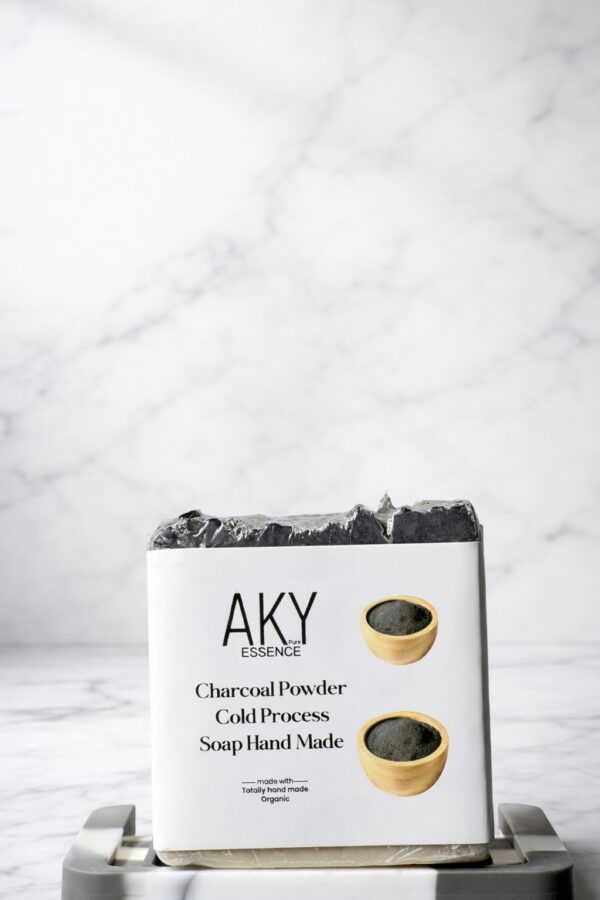
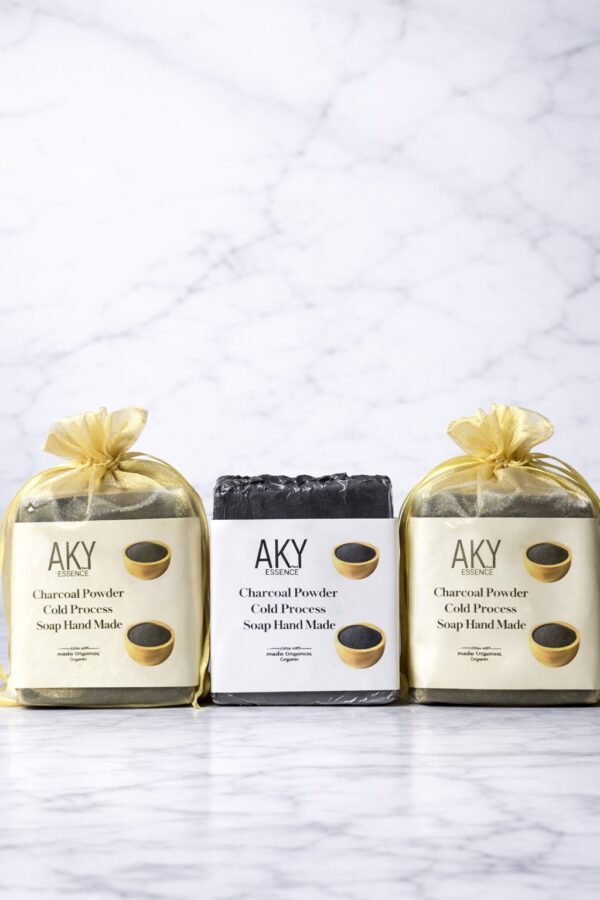
Walk down the soap aisle or scroll through Amazon for five minutes, and a black bar will stare back at almost every shopper. Charcoal soap has gone from a niche handmade soap sold at farmers’ markets to one of the most talked-about products in modern skin care and most of that attention comes down to one ingredient: activated charcoal.
The appeal is easy to understand. A charcoal bar soap promises a deeper clean than a standard bar, and for anyone who battles excess oil, clogged pores, or stubborn body acne, that promise is hard to ignore. But charcoal soaps are not magic, and knowing what they actually do and what they don’t helps buyers get real results instead of disappointment.
This guide walks through the benefits, the best way to use a charcoal soap bar, and the honest pros and cons of working one into a daily routine.
Some links in articles like this one may earn the publisher a small commission, though that never changes which products get recommended.
Activated charcoal starts out as coconut shells, bamboo, or wood that has been burned and then treated at high heat with steam or gas. That process leaves behind a fine black powder riddled with microscopic pores very different from the charcoal briquettes sitting in a backyard grill, which are not skin-safe and should never be confused with the cosmetic-grade version of this coal-derived ingredient.
Those tiny pores are what make the ingredient interesting. Activated charcoal works by adsorption, meaning oil, dirt, and surface impurities cling to it rather than soaking into it. When someone lathers up an activated charcoal soap and rinses, a portion of that debris rinses away with the water.
Here are the benefits most users notice:
One honest note on detox: marketing loves the words detoxifying, detoxification, and detox, and plenty of packaging claims a bar detoxifies the body by drawing out toxins. Skin does not release toxins through its surface that way the liver and kidneys handle detoxification. What a charcoal soap genuinely does is clean the surface of the skin very well. That’s a smaller claim, but it’s the true one, and it’s still worth something for overall skin health.
This is where charcoal soaps earn most of their reputation. People with oily skin often describe a slick feeling returning within hours of washing, and a well-made charcoal soap bar tends to keep that at bay longer than a standard cleansing bar.
For acne-prone skin, the logic is straightforward. Acne begins when oil and dead skin cells block a follicle. A bar that reduces excess oil and gently exfoliates is working on two of those factors at once. Many customer reviews mention fewer breakouts across the chest, back, and shoulders in particular — body acne responds especially well, since those areas are easy to under-wash and the skin there is tougher than the face.
Formulators often pair charcoal with other ingredients that push in the same direction:
A realistic expectation matters here. A soap is a cleanser; it sits on the skin for thirty seconds and rinses off. It can meaningfully improve mild congestion and oiliness, but moderate or severe acne needs leave-on products and, often, a dermatologist. Anyone whose breakouts are painful, cystic, or scarring should treat charcoal soap as a helpful supporting player rather than the solution.
Pros: strong oil control, gentle exfoliation, affordable, widely available, good for body acne, often made with natural ingredients, and generally free of the plastic packaging that comes with liquid products.
Cons: it can be drying on already dry or mature skin, the black bar leaves grey residue in a soap dish or on a white washcloth, visible results take a few weeks rather than days, and quality varies wildly between brands some bars use so little charcoal that the colour is essentially decorative.
Getting the technique right matters more than most people assume. A few simple habits make a real difference:
For the face, once daily in the evening is plenty for most people. For the body, a single wash per day in the shower works well. Sensitive areas and dry patches can simply be skipped.
Can a charcoal soap become a permanent fixture rather than an occasional treatment? For many skin types, yes with a little attention to how the skin responds.
Oily and combination skin usually tolerates daily use comfortably. Normal skin often does well washing the body daily and the face every other day. Dry, mature, or sensitive skin generally does better with two or three uses a week, alternating with a creamier, non-charcoal cleanser.
The signal to watch for is tightness. Skin that feels squeaky, taut, or flaky after washing is being over-cleansed, and the fix is simply to reduce frequency rather than abandon the product. Counterintuitively, over-washing often triggers more oil production, which then causes more breakouts the exact opposite of what the person was hoping for.
Charcoal soap also slots neatly into a broader routine: cleanse, treat with any serums, then moisturise. It plays nicely with almost everything, though pairing it with a strong exfoliating acid in the same session is asking for irritation.
🧼 A quick tip: cutting a full-size bar in half and keeping one piece dry in a cupboard means the half in use stays firmer and lasts considerably longer.
Not all charcoal soaps are built the same way, and the manufacturing method tells a buyer a lot about the quality they are getting.
Small-batch soap makers typically use cold-processed soap methods, which retain the natural glycerin produced during saponification. Glycerin is a humectant it draws moisture toward the skin and mass-market bar soaps often have it stripped out and sold separately. That single difference explains why a handmade soap can feel conditioning while a cheap supermarket bar feels harsh.
When comparing products, the ingredients list is more useful than the marketing copy. The best bar soaps tend to include:
It is also worth checking the key specifications on the listing: bar weight, whether the charcoal is genuinely activated charcoal rather than regular charcoal or plain colourant, and whether the brand tests on animals. Shoppers looking for something closer to traditional African black soap should know it is a different product entirely made from plantain ash and cocoa pod ash rather than charcoal or mud even though the two often sit side by side online.
Familiar names in this space include Grandpa Soap Company, Dr. Squatch, Yellow Bird, and Pacha, and each has built a following for different reasons some lean rustic and heavily scented, others minimal and fragrance-light. Rather than trusting a single glowing review, it helps to scan customer feedback for patterns: repeated complaints about dryness, or repeated praise for lather, say far more than any individual rating. Reading a handful of customer reviews before deciding what to buy takes five minutes and saves a lot of wasted money.
Ultimately, the right charcoal soap is the one that suits a person’s skin type, smells like something they enjoy, and fits their budget well enough that they will keep using it. Consistency, more than any single ingredient, is what delivers a healthy-looking experience and lasting care for the skin.
Charcoal soap cleans deeply by binding to oil, dirt, and surface impurities so they rinse away with water. It helps manage excess oil, offers mild gentle exfoliation that clears dead skin cells, and can leave pores looking clearer. Most bars also include conditioning oils, so the skin feels clean rather than stripped. The wider health and detox claims on some packaging are overstated, but the cleansing benefits are real.
Yes oily skin is arguably the ideal match. Charcoal is efficient at lifting surface oils, so shine returns more slowly after washing. Anyone with oily skin that still feels tight afterwards should follow with a lightweight, oil-free moisturiser.
It can help with mild breakouts, especially body acne on the back and chest, by reducing the oil and dead skin cells that clog pores. Bars containing tea tree oil add a mild antibacterial benefit. It is not a treatment for moderate or severe acne, which needs medicated products and professional advice.
For oily and combination skin, daily use is usually fine. Drier or more sensitive skin types often do better with a few uses a week. The skin itself gives the answer tightness, flaking, or new irritation means it is time to cut back.
Sometimes. Sensitive skin should look for a gently formulated bar built on goat milk, shea butter, or olive oil, with minimal added fragrance and no strong mint oils or peppermint. Testing a new bar on a small patch of skin for a few days before using it on the face is a sensible precaution.
A reasonable starting point is once a day on the body and every other day on the face, adjusting from there based on how the skin responds. Visible results generally take two to four weeks of consistent use, so it is worth giving any new bar a fair amount of time before judging it.