Transform Your Hair with Every Drop
Original price was: ₨699.00.₨500.00Current price is: ₨500.00.
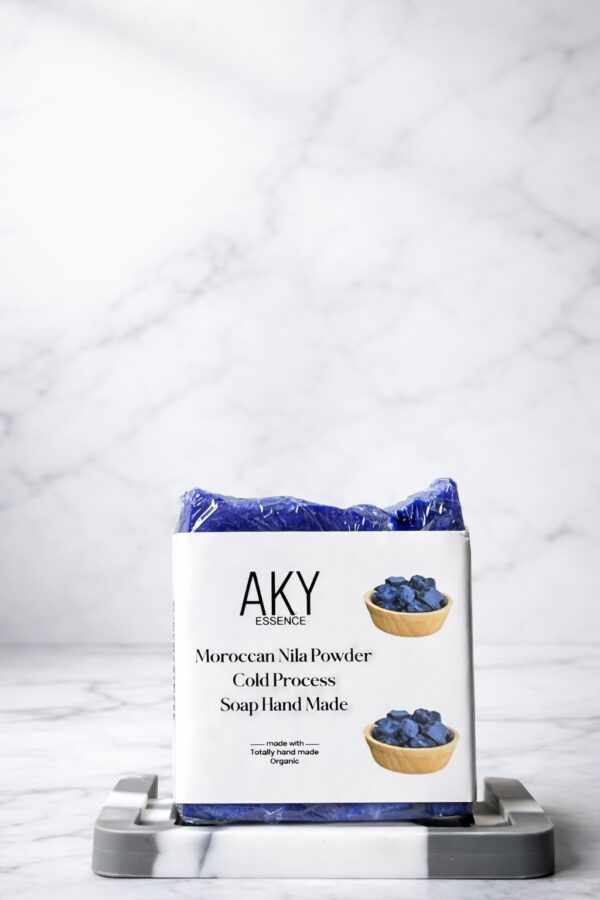
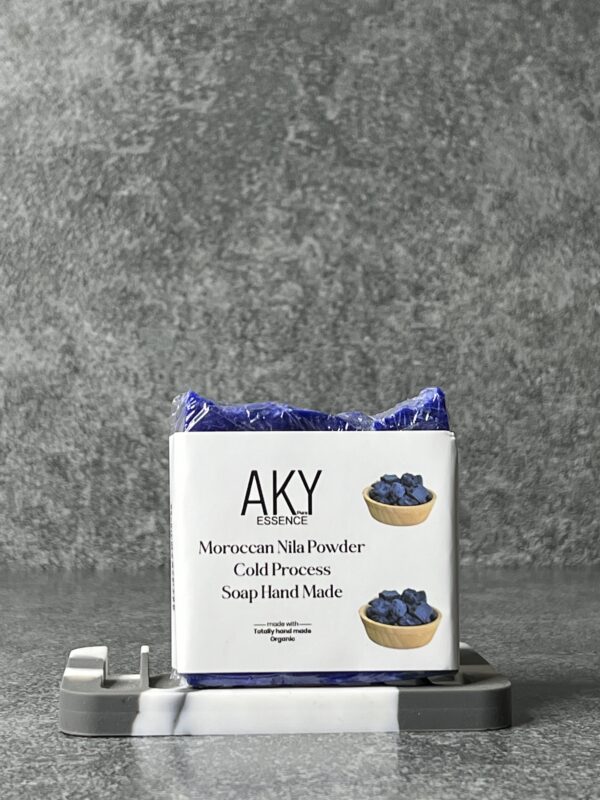
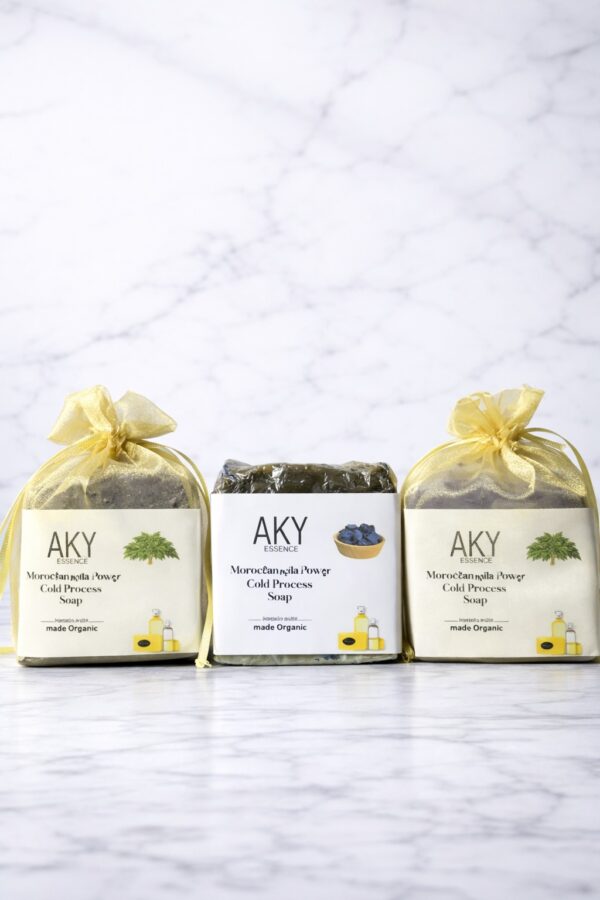
Moroccan Nila Powder has quietly travelled from hammam bowls in Marrakech and Fez to bathroom shelves around the world, and it is easy to see why. It is a deep blue-violet powder, traditionally derived from the indigo plant (Indigofera tinctoria), that Moroccan women have folded into their bathing rituals for generations. Mixed with a little rose water or Moroccan black soap, it turns into a smooth paste that many describe as the closest thing to a spa treatment that can be made at home in under two minutes.
This guide walks through what Nila powder actually does, how it is traditionally used, and what to look for when buying it.
19 in stock
Most of the reputation Nila powder enjoys comes from consistent traditional use rather than large clinical trials, so it helps to treat the following as commonly reported benefits of Moroccan Nila Powder rather than guaranteed medical outcomes.
A softer, smoother surface. The powder has a very fine texture that works as an extremely gentle exfoliant when massaged in with warm water. Regular users often report that rough patches on elbows, knees and heels feel noticeably softer after a few sessions.
A more even-looking tone. Nila is best known in Moroccan tradition as a skin brightening ingredient. It does not bleach skin, and nothing sold as a natural powder should claim to. What people typically notice is a fresher, more uniform skin tone as dead skin cells are lifted away.
A calming feel. Indigo has long been used in North African and Ayurvedic traditions on irritated, itchy or heat-stressed skin. Many find the paste cooling and settling, especially after sun exposure or hair removal.
Support for clearer skin. Because it helps clear away build-up and excess oil, Nila is often included in a skincare routine aimed at congestion, blackheads and the shadowy marks left behind by old blemishes.
A scented ritual. Authentic blends are usually perfumed with musk or rose, which is part of the appeal the experience feels indulgent, and rituals that feel good are the ones people actually stick with.
Glow, in practical terms, is mostly about two things: a smooth surface that reflects light evenly, and good hydration underneath. Moroccan Nila Powder for glowing skin works chiefly on the first.
Skin naturally accumulates a layer of dead skin cells that scatters light and makes complexions look grey, tired or patchy. The fine grain of the powder, combined with the massage motion used to apply it, helps lift that layer away. What is revealed underneath is skin that simply bounces light better which reads to the eye as radiance.
The second half is what happens afterwards. Nila is traditionally used alongside argan oil or a rich butter, applied while the skin is still slightly damp. Skincare experts generally agree this order matters: exfoliating without replenishing moisture afterwards can leave skin tight and dull within a day or two. Those who follow the full Moroccan sequence cleanse, exfoliate, oil tend to see the best and longest-lasting results.
It is also worth setting realistic expectations. A single use usually delivers a pleasant immediate freshness. A visible change in overall skin tone takes several weeks of consistent, moderate use.
The powder is never applied dry. It always needs a liquid to activate it into a paste.
The basic paste
Popular variations
A patch test on the inner forearm is strongly recommended before the first full application, particularly for anyone with sensitive skin or a history of reactions to plant-based products. The blue pigment can also temporarily tint very dry or porous skin, and it can stain towels, nails and light-coloured surfaces dark towels and an old shirt are sensible precautions.
The powder works on both, but the approach should differ.
On the face, less is more. Facial skin is thinner and more reactive than body skin, so the paste should be looser, the pressure lighter, and the contact time shorter. Circular motions with the fingertips are enough; there is no need to scrub. The eye area should be avoided entirely. Those using retinoids, acids or prescription acne treatments should ideally check with a dermatologist first, since combining exfoliants can easily tip skin into irritation.
On the body, a thicker paste and firmer pressure are appropriate. Nila is especially popular as a body scrub on areas that tend to look darker or rougher knees, elbows, underarms, the neck and the bikini line. In a traditional hammam, the paste is applied all over after steaming, left briefly, then removed with a kessa glove. At home, warm shower steam serves the same softening purpose.
Some people also use Nila as a full-body brightening mask before an event, applying it head to toe, leaving it on for around ten minutes, then rinsing and oiling generously.
For most skin types, once or twice a week is the sweet spot on the body, and once a week on the face.
Sensitive skin and dry skin generally do better with once every ten to fourteen days. Oily skin or resilient skin can often handle twice weekly without trouble. Beginners are usually advised to start with a single weekly application and increase only if the skin responds well.
Over-exfoliating is the most common mistake with any polishing product. The warning signs are easy to recognise: stinging when moisturiser is applied, unusual redness, a tight or shiny look, flaking, or skin that suddenly reacts to products it previously tolerated. If any of those appear, the sensible move is to stop completely for a week or two and focus on gentle cleansing and moisturising until the skin settles.
Quality varies enormously, and this is one area where it genuinely pays to be careful when choosing the best Moroccan Nila Powder.
Moroccan Nila Powder is a finely milled blue-violet cosmetic powder derived from the indigo plant, traditionally used in Moroccan hammam rituals. It is usually mixed with water, rose water or black soap to form a paste that is applied to the skin as a cleansing and polishing treatment. The same plant family has been used for centuries as a textile dye, which explains the striking colour.
It is most commonly used to gently exfoliate, to help skin look more even and refreshed, to soften rough areas, and to calm skin that feels irritated or heat-stressed. Many people also value it simply as a relaxing ritual. These benefits come largely from traditional use rather than extensive clinical research.
Many users report a visible freshness after use, and the reasoning behind it is sound removing dull surface cells allows skin to reflect light more evenly. Results are gradual rather than instant, and they depend heavily on moisturising properly afterwards. Nila is not a bleaching agent and will not change a person’s natural skin tone.
A teaspoon of powder is mixed with rose water or warm water into a smooth paste, applied to clean damp skin, left for five to ten minutes, then rinsed off with gentle circular massage. Argan oil or moisturiser should follow immediately. A patch test before first use is always advisable.
Yes, provided it is used gently and sparingly. A thinner paste, light pressure, a shorter contact time and no more than one application per week are the usual recommendations. The eye area should be avoided, and anyone using prescription skincare or dealing with active eczema, rosacea or open blemishes should speak to a dermatologist before trying it.
Once or twice weekly on the body and once weekly on the face suits most people. Sensitive skin or dry skin may prefer every ten to fourteen days. Starting slowly and adjusting based on how the skin responds is the safest approach.