Transform Your Hair with Every Drop
Original price was: ₨2,000.00.₨1,400.00Current price is: ₨1,400.00.
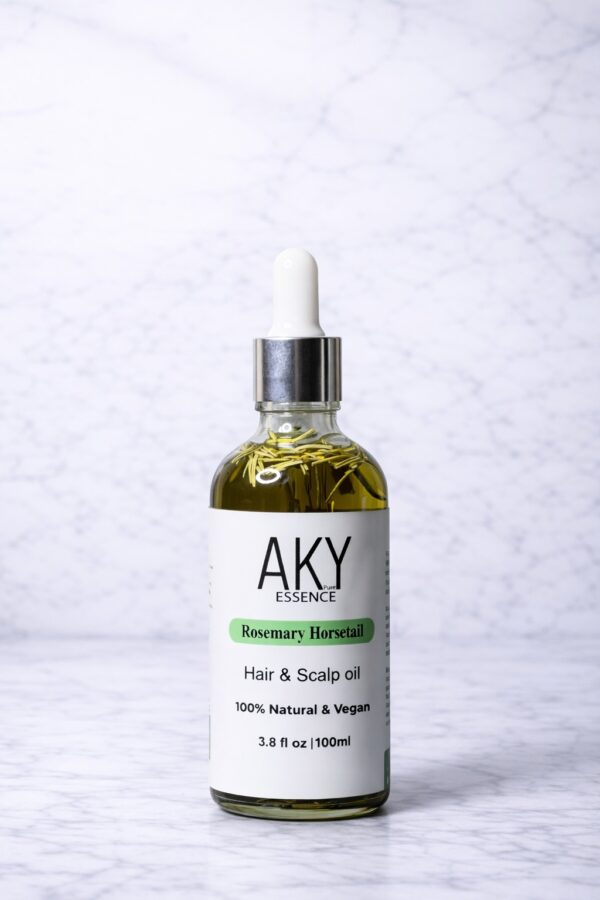
Rosemary has been valued as a kitchen herb and a natural remedy for centuries, and in recent years it has become one of the most talked-about ingredients in hair care. Rosemary oil, pressed or extracted from the needle-like leaves of Rosmarinus officinalis (also known botanically as Salvia rosmarinus), is a fragrant plant from the mint family that grows widely across the Mediterranean region. Beyond its place in the kitchen and in aromatherapy, this herb has drawn attention from researchers and hair-care enthusiasts alike for its potential to support fuller, stronger, and healthier-looking hair. This article walks through what the research says about rosemary hair oil, how it may help with growth and hair fall, how it is typically used, and answers to the questions people ask most often.
Rosemary oil is often praised for more than just its pleasant scent. Its natural compounds including carnosic acid, carnosol, rosmarinic acid, and ursolic acid give it antioxidant and anti-inflammatory properties that researchers believe play a role in its effects on hair and scalp health. These plant compounds help fight the free radicals that contribute to oxidative stress, a process linked to weakened hair follicles and premature aging of skin cells.
Some of the most commonly discussed benefits include:
It’s worth noting that rosemary oil is not a miracle cure, and results vary from person to person. Still, the accumulating body of research makes it easy to see why this herb has earned a place in so many hair-care routines.
One of the most cited pieces of research on this topic is a placebo-controlled trial that compared rosemary oil with a common hair-growth medication in people experiencing androgenetic alopecia (the most common form of hereditary hair thinning). Over a period of months, the group using rosemary oil saw improvements in hair count that were comparable to the medicated group, with fewer reports of scalp itching as a side effect.
Animal studies have also explored how topical application of rosemary may influence hair growth, with some research pointing to improved blood flow to hair follicles as a likely mechanism. Better circulation means hair follicles may receive more oxygen and nutrients, which could support the growth phase of the hair cycle. While more large-scale human trials are still needed before firm conclusions can be drawn, the existing studies are promising enough that many dermatologists now mention rosemary oil as a reasonable, low-risk addition to a hair-growth routine.
Hair fall can happen for many reasons genetics, stress, poor scalp health, or underlying health conditions and rosemary oil isn’t a cure for all of them. That said, its anti-inflammatory and antioxidant properties may help address some of the everyday factors that make hair fall worse, such as an irritated or inflamed scalp.
By supporting a cleaner, healthier scalp environment and improving local blood flow, rosemary hair oil may help reduce the rate of shedding for some people, particularly when hair fall is linked to scalp inflammation rather than a strictly hormonal or medical cause. Those dealing with persistent or sudden hair loss are always encouraged to check in with a doctor, since rosemary oil works best as a supportive habit rather than a stand-alone treatment for more serious hair-fall conditions.
Using rosemary hair oil is simple and fits easily into most routines:
Some people also enjoy brewing rosemary tea using fresh rosemary leaves steeped in hot water, then using the cooled tea as a final hair rinse a gentler, oil-free alternative for those who prefer it.
A healthy scalp is the foundation for healthy hair, and this is where rosemary oil may offer some of its clearest advantages. Its antimicrobial activity may help keep the scalp’s natural microbial balance in check, which matters for anyone dealing with flakiness, mild irritation, or an oily scalp. The oil’s antioxidant compounds also help protect scalp skin cells from the day-to-day oxidative stress caused by sun exposure, pollution, and styling products.
For dry or flaky scalps, rosemary oil is often diluted in a nourishing carrier oil to help soothe tightness while delivering its protective plant compounds directly where they’re needed. As with any new addition to a skin or hair routine, easing in slowly starting with lower concentrations and less frequent use is the safest approach, especially for those with sensitive skin.
Consistency tends to matter more than frequency when it comes to rosemary hair oil. Most hair-care specialists suggest using it two to three times a week rather than daily, since essential oils in higher culinary or cosmetic amounts can sometimes irritate the skin with overuse. A typical routine might involve a scalp massage every other day, followed by regular washing to prevent buildup.
Because hair growth is a slow biological process, patience is essential. Many people report that visible changes take a few months of steady use rather than days or weeks, which lines up with what the clinical research on hair growth timelines generally shows.
Current research, including a well-known clinical trial comparing it with a standard hair-growth medication, suggests rosemary oil may help support hair growth for some people, particularly those dealing with androgenetic alopecia. It’s considered a gentle, low-risk option worth trying, though individual results differ.
It can be a helpful addition to a hair-fall routine, especially when shedding is related to scalp inflammation or poor circulation. It isn’t a guaranteed fix for every cause of hair fall, so anyone with significant or sudden hair loss should also speak with a healthcare provider.
Most people who see benefits report noticing changes after about three to six months of consistent use. Hair grows slowly, so short-term use is unlikely to show dramatic results steady, regular application matters far more than any single application.
Daily use isn’t necessary and, for some, may lead to scalp irritation over time. Two to three applications per week, properly diluted in a carrier oil, is generally considered a comfortable and effective routine for most people.
Yes, when diluted well in a moisturizing carrier oil, it can help soothe a dry or flaky scalp while delivering antioxidant plant compounds. Those with very sensitive or eczema-prone skin should introduce it gradually and watch for any reaction.
The oil should be diluted with a carrier oil first, then massaged gently into the scalp with the fingertips for a few minutes. It can be left on for 20–30 minutes or overnight before washing out with a mild shampoo. A patch test beforehand is always a smart first step.