Transform Your Hair with Every Drop
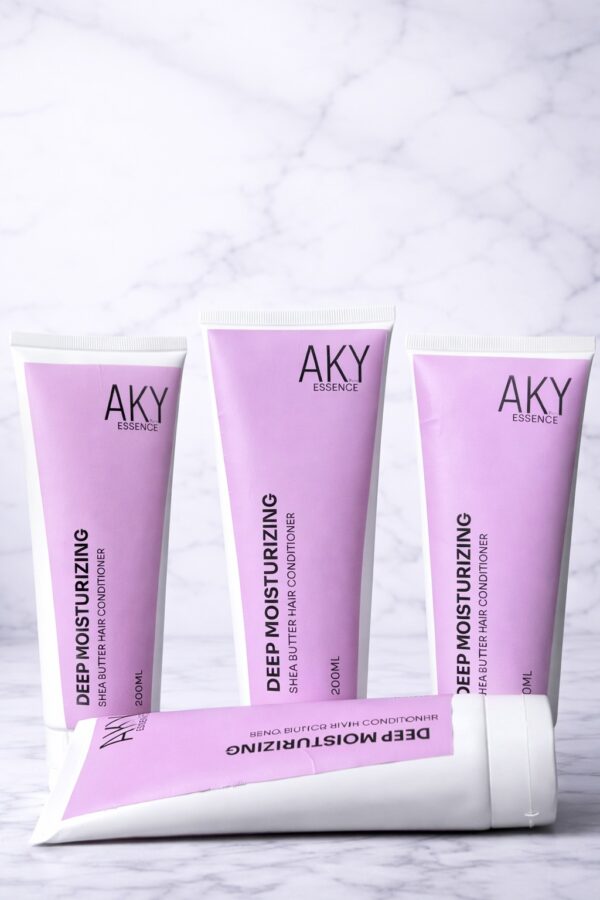
Original price was: ₨1,500.00.₨1,400.00Current price is: ₨1,400.00.
Dry, brittle strands have a way of showing up at the worst possible time right before a big event, or the moment humidity rolls in. A good moisturizing conditioner is often the easiest fix, and it does not need to be complicated to work. This guide walks through what this kind of conditioner actually is, how it works on the hair shaft, which ingredients matter, and how to pick the right conditioner for a specific hair type.
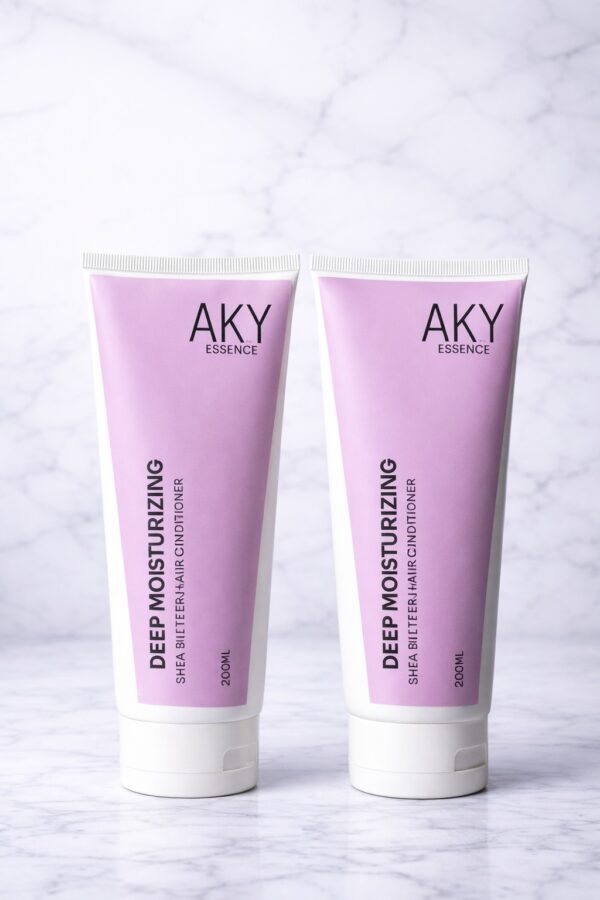
A moisturizing conditioner is a hair conditioner formulated to add water and lock it into each strand, rather than simply smoothing the surface. While a regular conditioner mostly detangles and adds slip, a moisturizing formula usually leans on humectants and natural oils to pull hydration into the cuticle and keep it there. It is designed for hair types that tend to run dry fine hair, thick hair, curly hair, and coils alike can all benefit, since dryness is more about porosity and hair-care routine than texture alone.
The benefits of a moisturizing conditioner go beyond a nice smell or a pleasant fragrance in the shower. Used consistently, it can:
Many people also notice better results with styling, since well-hydrated hair holds a style, from tight curls to loose waves, more predictably.
To understand the effect, it helps to picture the hair shaft up close. Each strand is covered by a cuticle made of overlapping scales; when hair is dry or damaged, those scales lift, letting moisture escape and light scatter unevenly, which is why parched hair looks dull. A moisturizing conditioner typically contains cationic surfactants, including quaternary ammonium compounds, that carry a positive surface charge. Hair fibre, after shampooing, tends to sit near its isoelectric point with a slightly negative charge, so these ingredients are naturally drawn to the strand and settle onto the surface, smoothing the cuticle and creating that silky slip people notice when they run a comb through wet hair.
Underneath that surface effect, humectants and oils work on hydration itself, drawing water into the fibre and helping it stay there until the next wash.
There is no single best moisturizing conditioner for everyone, since results depend on hair type, scalp sensitivity, and budget. That said, a few trusted names come up again and again: TRESemmé, Redken, CeraVe, Living Proof, Pattern Beauty, and L’Oréal’s Elvive Dream Lengths line all offer a version aimed at dry or damaged hair. A cosmetic chemist featured in a video interview for a beauty publication once explained that the “best” pick usually comes down to whichever formula a person’s own hair actually responds to which is why review sites such as Wirecutter often bring in multiple testers and a panel of testers rather than relying on one opinion. Reading a few reviews, checking the ingredient list, and picking a full conditioner sized to actually finish the bottle before it expires are all reasonable ways to narrow down the wide range of different options on the market.
Fine hair that runs dry benefits from a lightweight, gentle hydrating conditioner rather than a heavy, rich formula that can weigh it down. Look for hyaluronic acid or aloe vera near the top of the ingredient list, since these draw in water without leaving residues.
Frizz usually means the cuticle is raised and unable to lie flat. A smooth conditioner with natural oils and a touch of silicone alternative can coat the surface, cut static, and leave strands noticeably calmer after just one wash.
Curly hair and tight curls or coils tend to be naturally drier, since oil from the scalp has a harder time traveling down a curved strand. An intensive conditioner or deep conditioner with shea butter and coconut oil gives curls the extra amount of moisture they usually need to spring back with definition instead of frizzing out.
Heat styling, colour treatments, and sun exposure all wear down the cuticle over time. For this hair type, a soft conditioner rich in proteins and natural plant extracts helps rebuild strength, while argan oil adds back some of the slip and softness that damage strips away.
A rich, fatty ingredient that seals in moisture and softens rough patches, shea butter is especially popular in products aimed at coily and curly hair.
Coconut oil is small enough to penetrate into the hair fibre rather than just sitting on top, which is part of why a coconut water conditioner or coconut-based formula is often recommended for very dry strands.
Sometimes called “liquid gold,” argan oil adds shine and a smooth finish without feeling greasy, making it a common pick in lightweight formulas for fine hair.
Aloe vera is soothing on a sensitive scalp and works well for anyone managing sensitive skin, since it hydrates without heavy fragrance or harsh additives.
Ingredients like raw sugar, niacinamide, and various botanical extracts round out many formulas, adding gentle exfoliation, scalp comfort, or an extra boost of hydration depending on the brand’s whole blends approach.
Most hair types do well with a moisturizing conditioner after every shampoo. Very dry or curly hair may benefit from an extra deep conditioner treatment once a week, while fine hair prone to looking flat might only need a lighter formula two or three times weekly. Adjusting frequency based on how strands feel and look is generally more useful than following a fixed rule.
A regular conditioner mainly focuses on detangling and a light layer of slip, while a moisturizing conditioner is built specifically around hydration, often through humectants, oils, and richer emollients. Regular formulas can be a fine everyday pick for already-healthy hair, but anyone dealing with dryness, frizz, or damage will usually see better results from the moisturizing category.
Yes frizz is largely a moisture and cuticle issue, and a moisturizing conditioner addresses both. By smoothing the surface and adding hydration, it helps strands lie flatter and resist the humidity that usually triggers frizz in the first place. It will not fix frizz permanently, but paired with a leave-in conditioner or a light oil after the shower, most people notice a real difference.
There is not one universal answer, since results vary by hair type, scalp sensitivity, and personal preference. Testing a few well-reviewed products from different price points is the most reliable way to find the right conditioner.
Yes, this is exactly what it is designed for. Ingredients like shea butter, coconut oil, and aloe vera target dryness directly and are generally safe for daily use.
In most cases, yes. Unless a formula feels heavy or leaves hair looking greasy, using it with every shampoo is perfectly fine.
It can, since taming frizz usually comes down to smoothing the cuticle and restoring lost hydration, both of which a moisturizing formula is built to do.
A few minutes is typically enough for a standard conditioner, while a deep or intensive conditioner may call for ten to twenty minutes, sometimes with gentle heat, for the best results.